TradeImpulseAI
Research
The trading psychology research that underpins TradeImpulseAI. Each section highlights a key author or framework and connects their work to the protocols on this platform. Use this page to understand the evidence base behind the training methodology and explore the source material in more depth. Each entry includes selected quotes from the author's work and links directly to the protocols it informs.
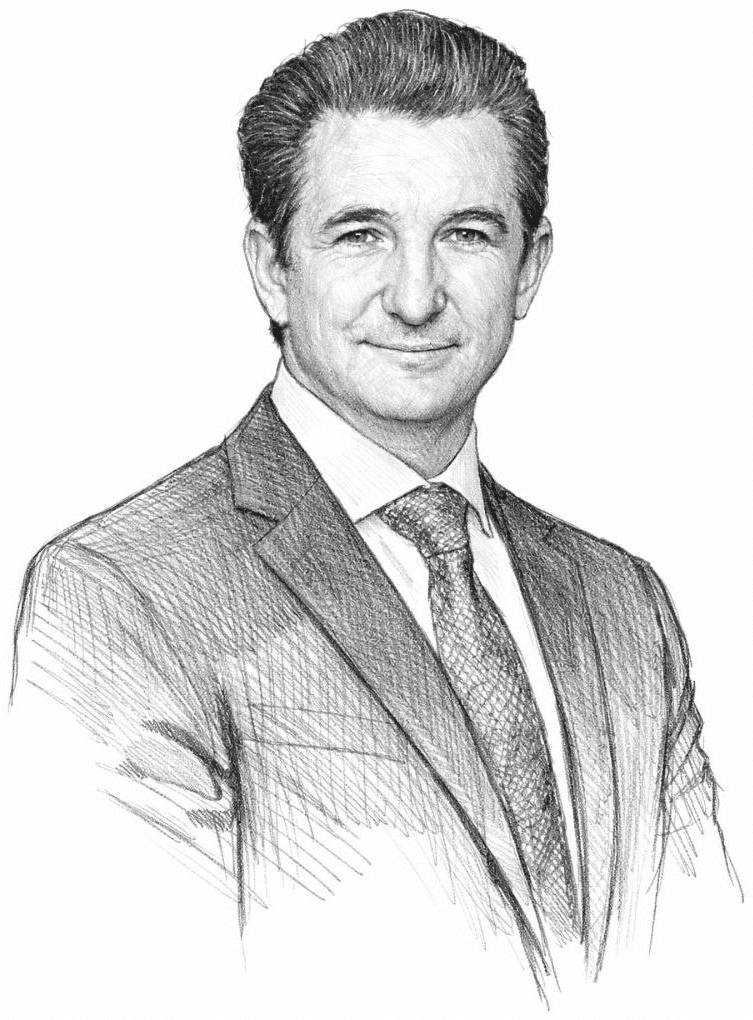
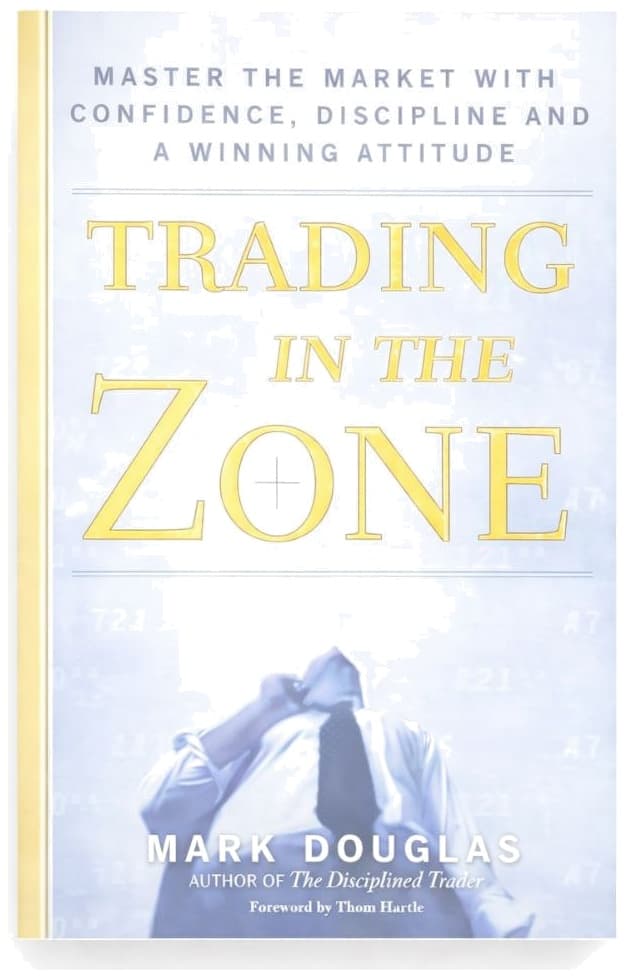
Mark Douglas is the most widely referenced name in trading psychology. "Trading in the Zone" argues that consistent success requires a probabilistic mindset, not better analysis. His central insight is that traders must accept uncertainty on every single trade and detach their identity from individual outcomes. Without that shift, discipline and emotional neutrality remain impossible.
"The consistency you seek is in your mind, not in the markets."
"The best traders can put on a trade without the slightest bit of hesitation and just as freely admit it is not working."
"When you learn the trading skill of risk acceptance, the market will not be able to generate information that you define or interpret as painful."

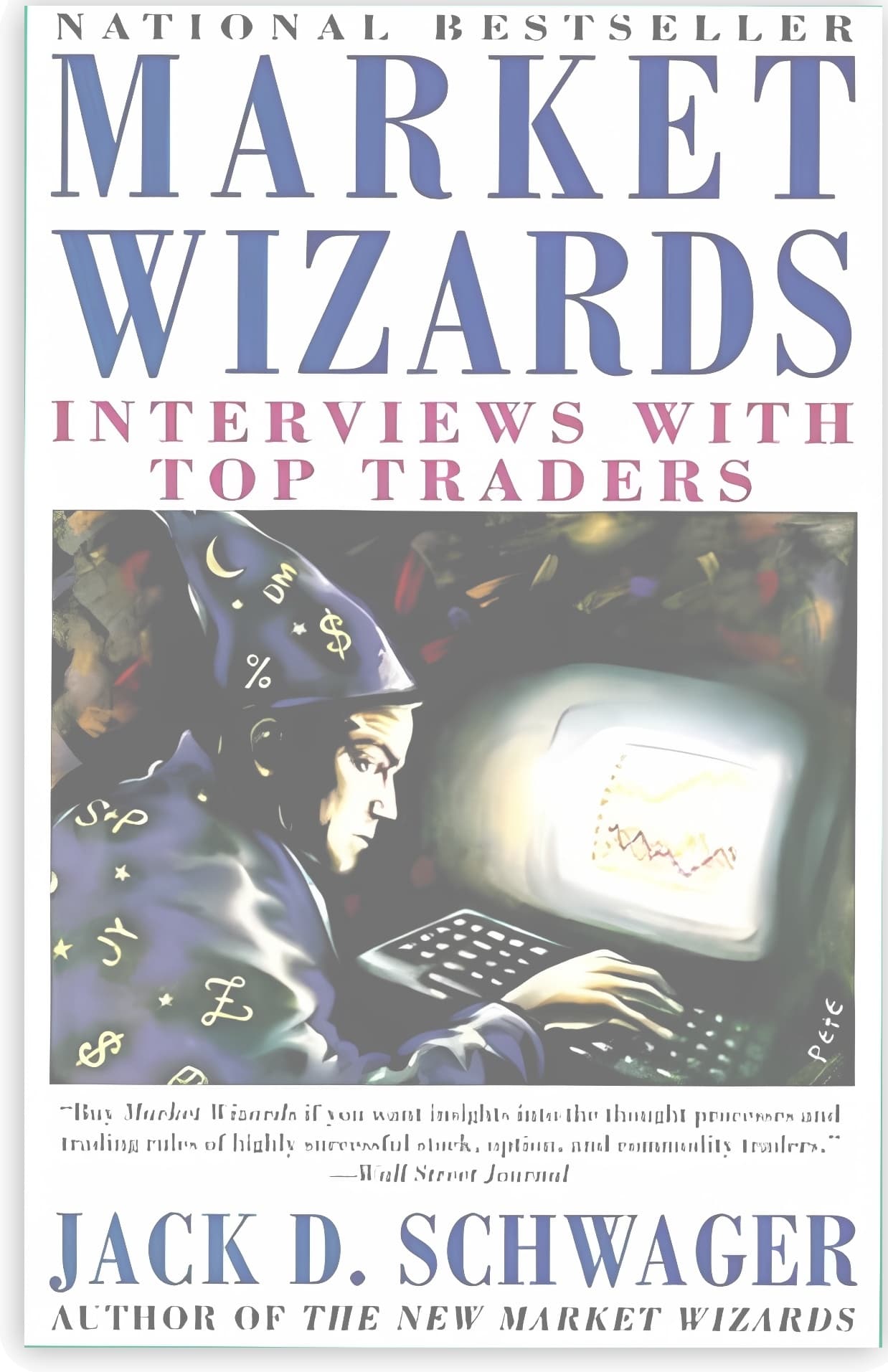
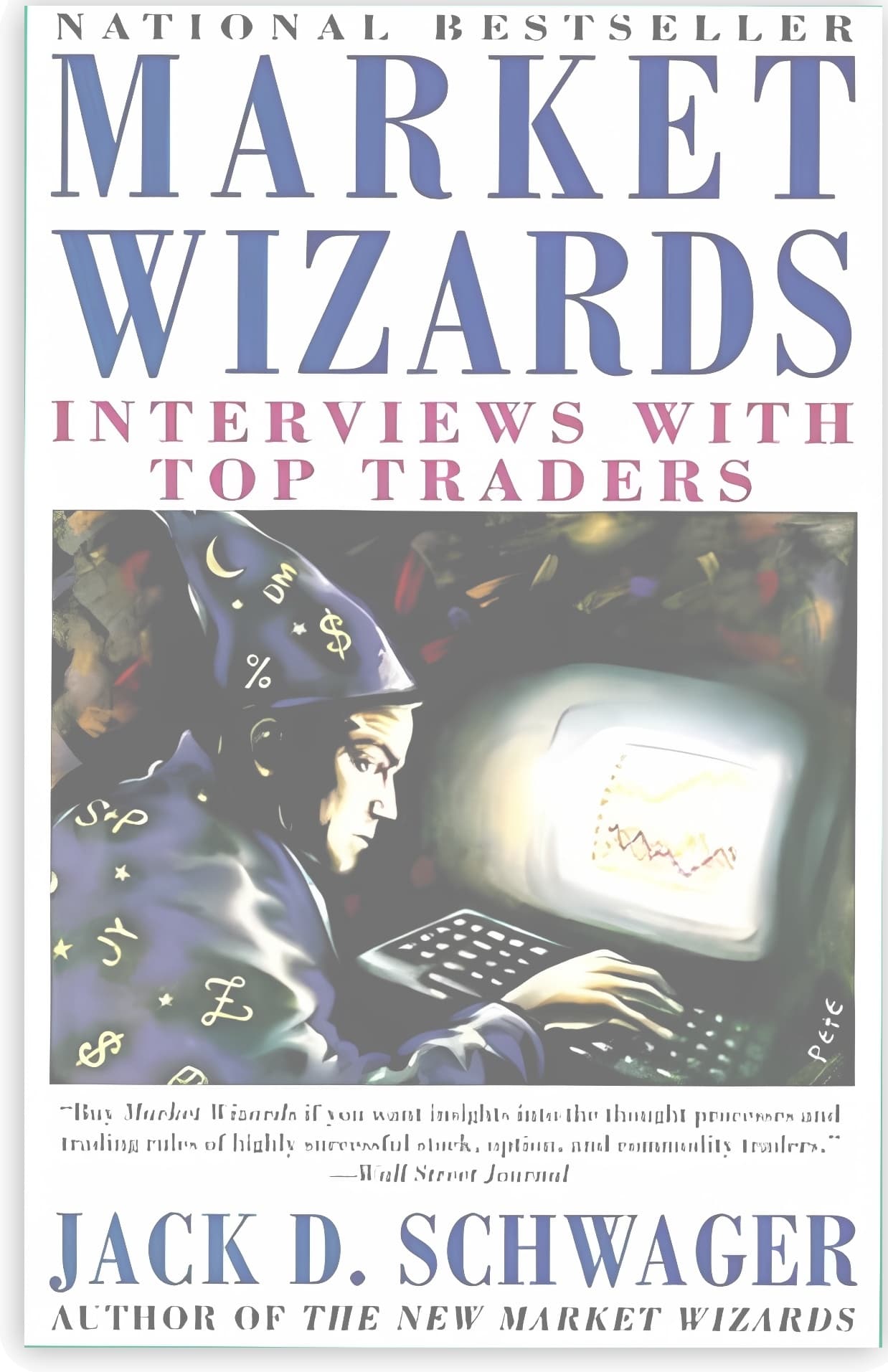
Jack Schwager's "Market Wizards" series is the most important collection of trader interviews ever published. By sitting across from the world's top performers and asking what separates them from everyone else, he distilled a consistent finding: methodology alone does not explain success. The mental framework behind execution is what separates the best from the rest.
"There is no single market secret to discover, no single correct way to trade the markets."
"Being wrong is acceptable. Staying wrong is totally unacceptable."
"Traders focus almost entirely on where to enter a trade. In reality, the entry size is often more important than the entry price."
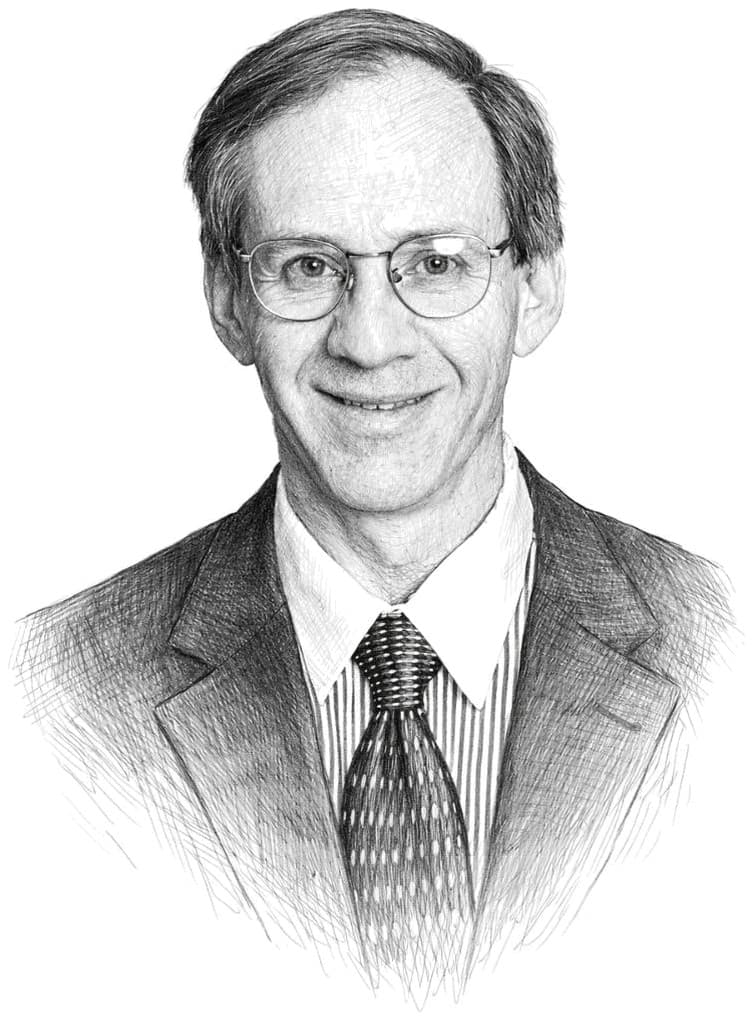
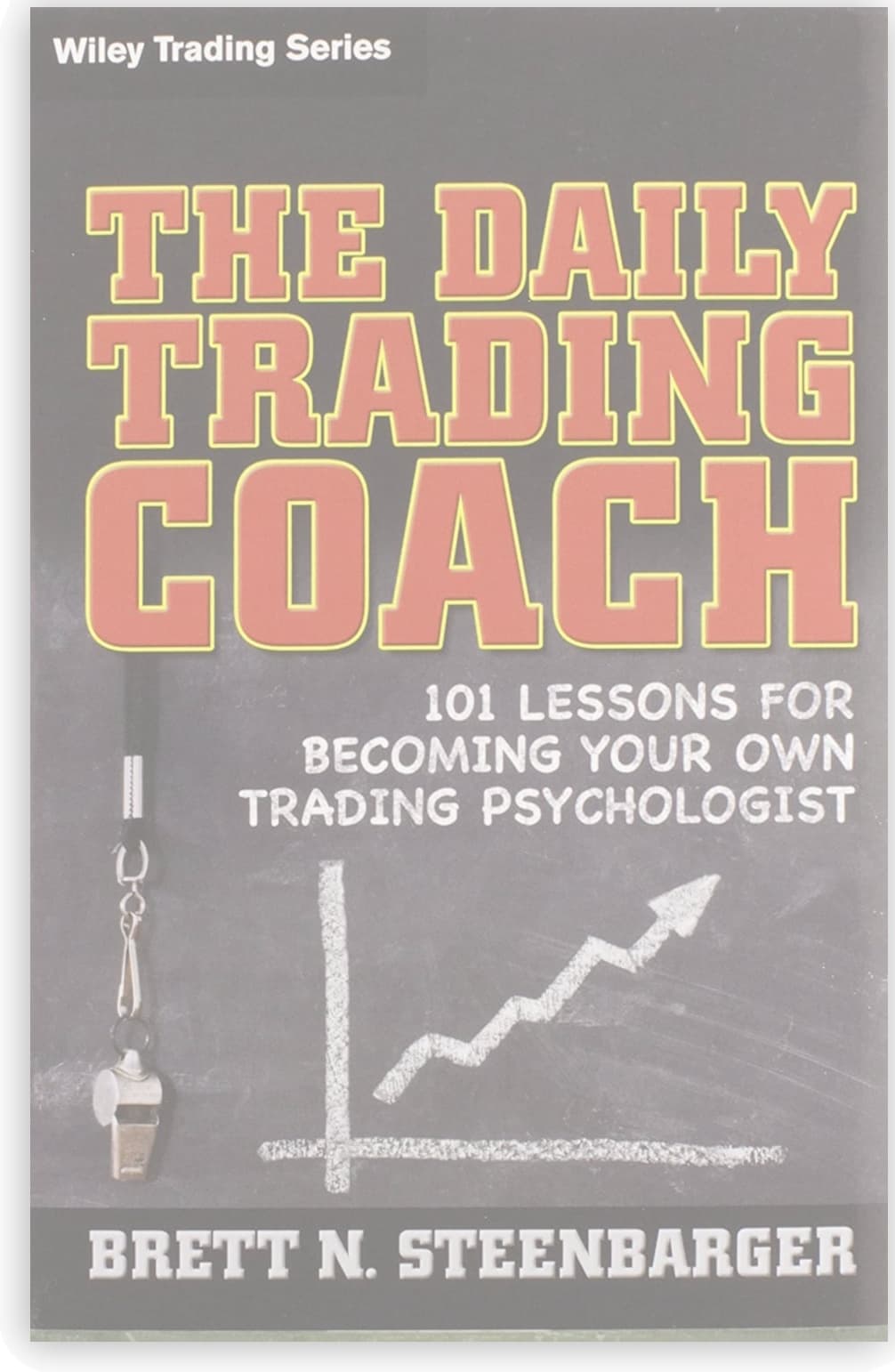
Brett Steenbarger's work focuses on the performance psychology of trading. He approaches trading as an elite skill that requires deliberate practice, self-awareness, and emotional regulation. His work bridges clinical psychology with real-time market decision-making, emphasising that the best traders treat themselves as their own performance coaches.
"The goal of trading psychology is not to eliminate emotion. It is to act with clarity while emotion is present."
"Your trading results are a mirror. They reflect your internal state more accurately than any chart."
"The best predictor of future trading performance is not your strategy. It is your ability to follow it under pressure."
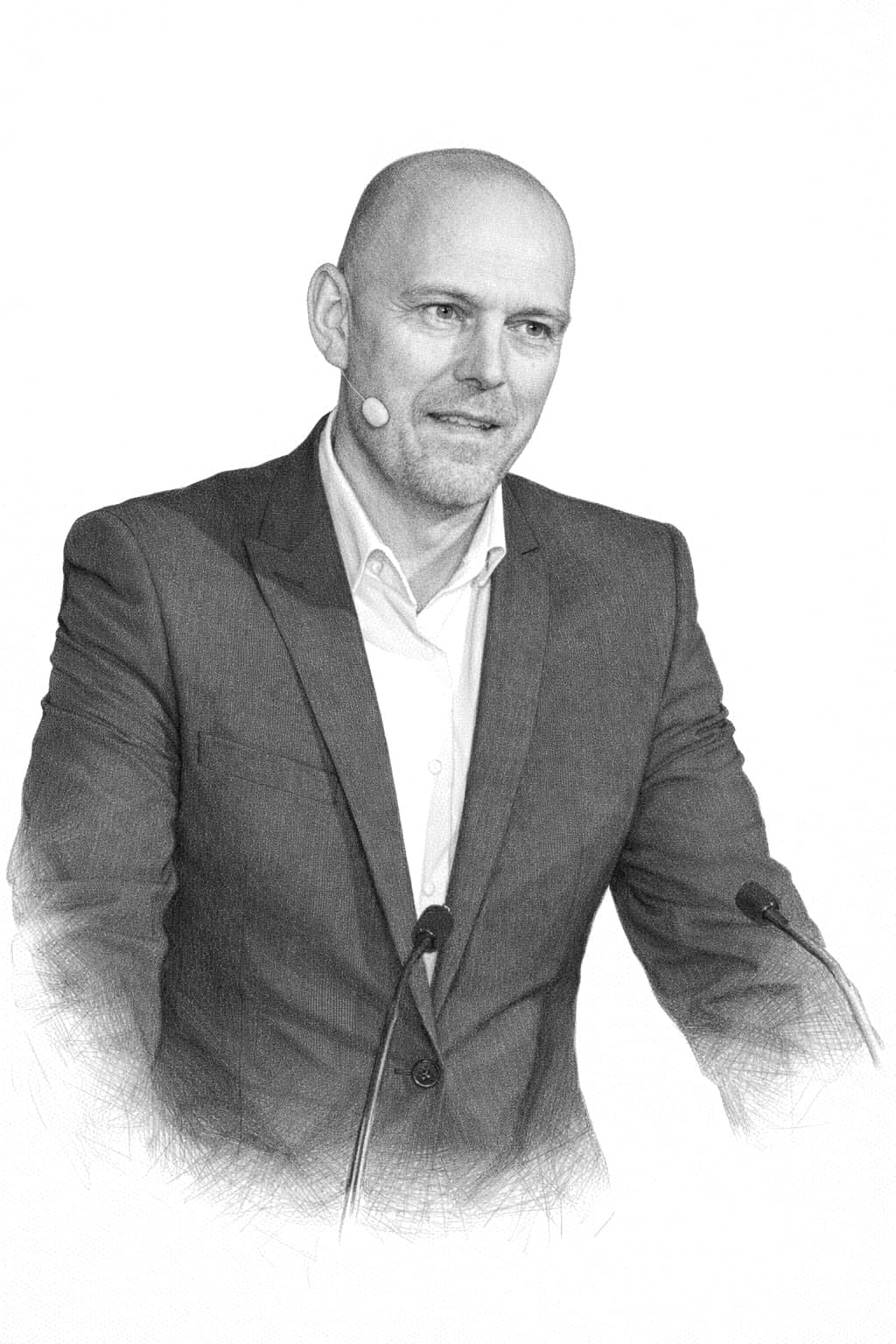
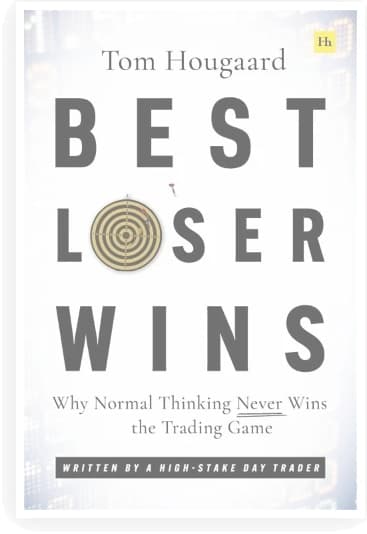
Tom Hougaard's work challenges the conventional approach to trading psychology. "Best Loser Wins" argues that the ability to lose well is the single most important skill a trader can develop. He reframes losing trades as evidence of correct execution, and teaches that the traders who survive are the ones who have changed their relationship with being wrong.
"Your job is not to predict the market. Your job is to react to what the market gives you."
"The best traders are the best losers. They accept losses quickly, without hesitation, because they understand that losses are the cost of doing business in the markets."
"Every loss is a lesson. Every lesson makes you better."
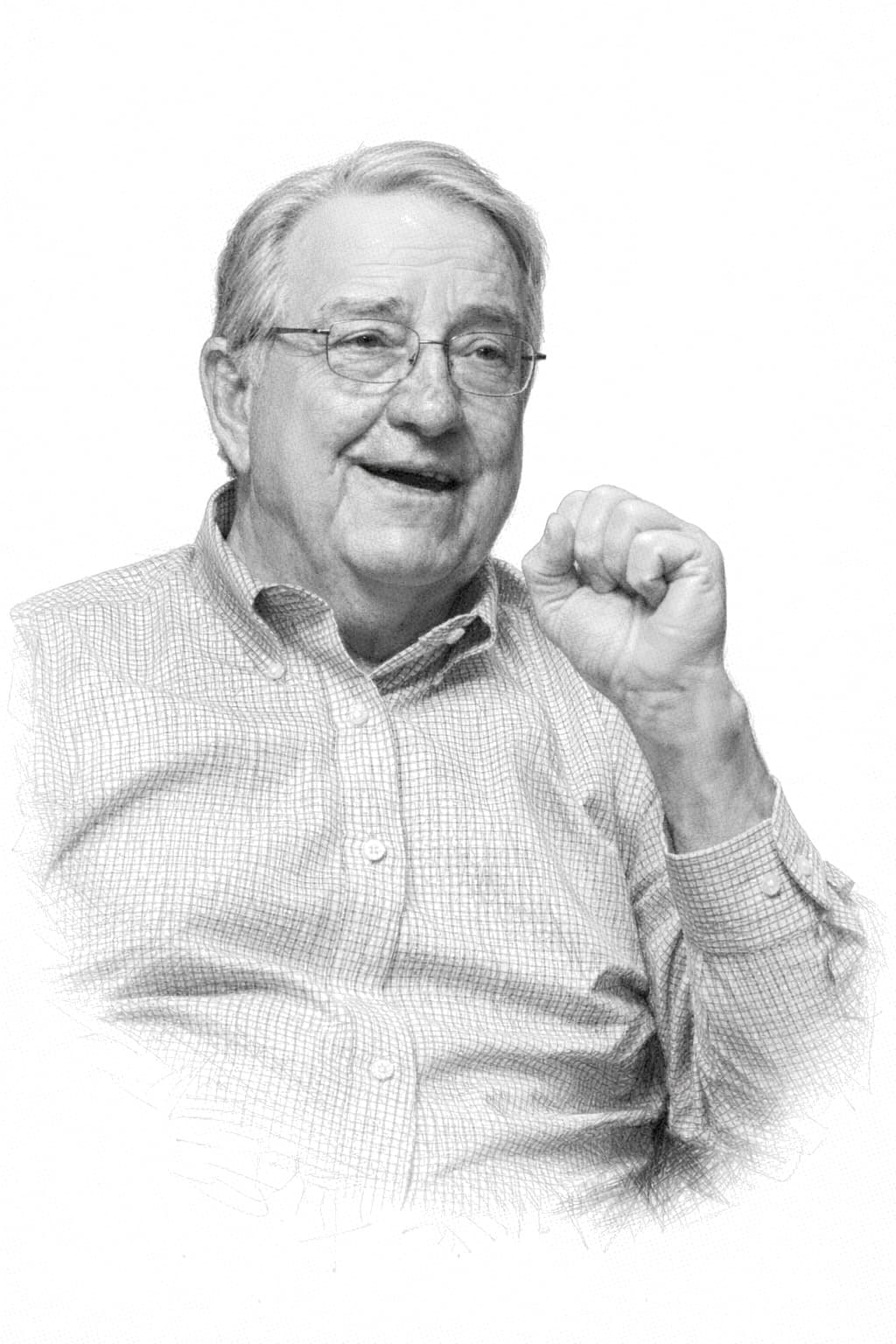
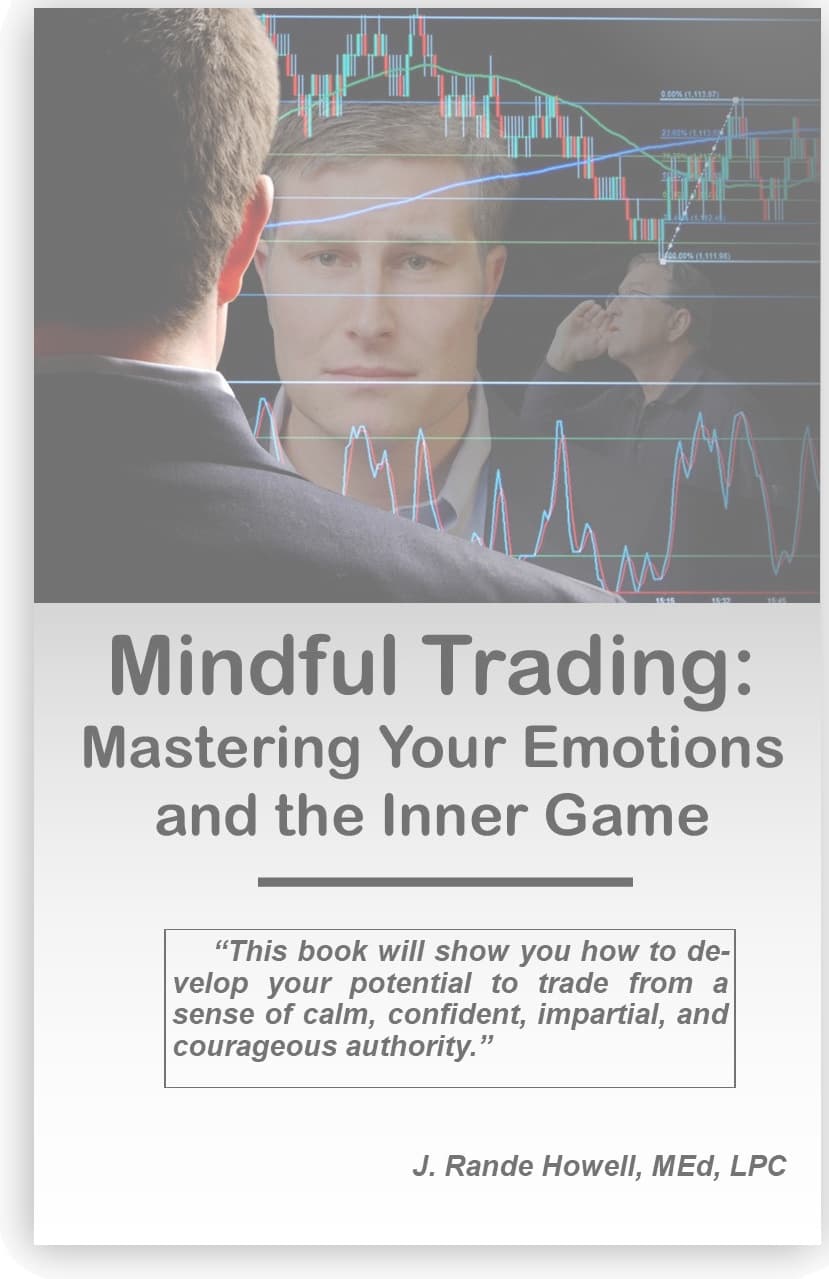
Rande Howell is a licensed therapist who turned his clinical practice toward the trading floor. "Mindful Trading" argues that the brain traders bring to the markets is wired for short-term survival, not probability management. He teaches traders to regulate the biological fear response that hijacks execution, so the rational mind can function when capital is at risk.
"You bring a brain designed for short-term survival to a situation that requires a mind built for probability."
"Knowledge and intelligence are easily overwhelmed by emotion in the heat of the moment, unless you have a well-trained mind."
"The brain the trader brings to trading is rarely the brain that can manage uncertainty and probability for success."

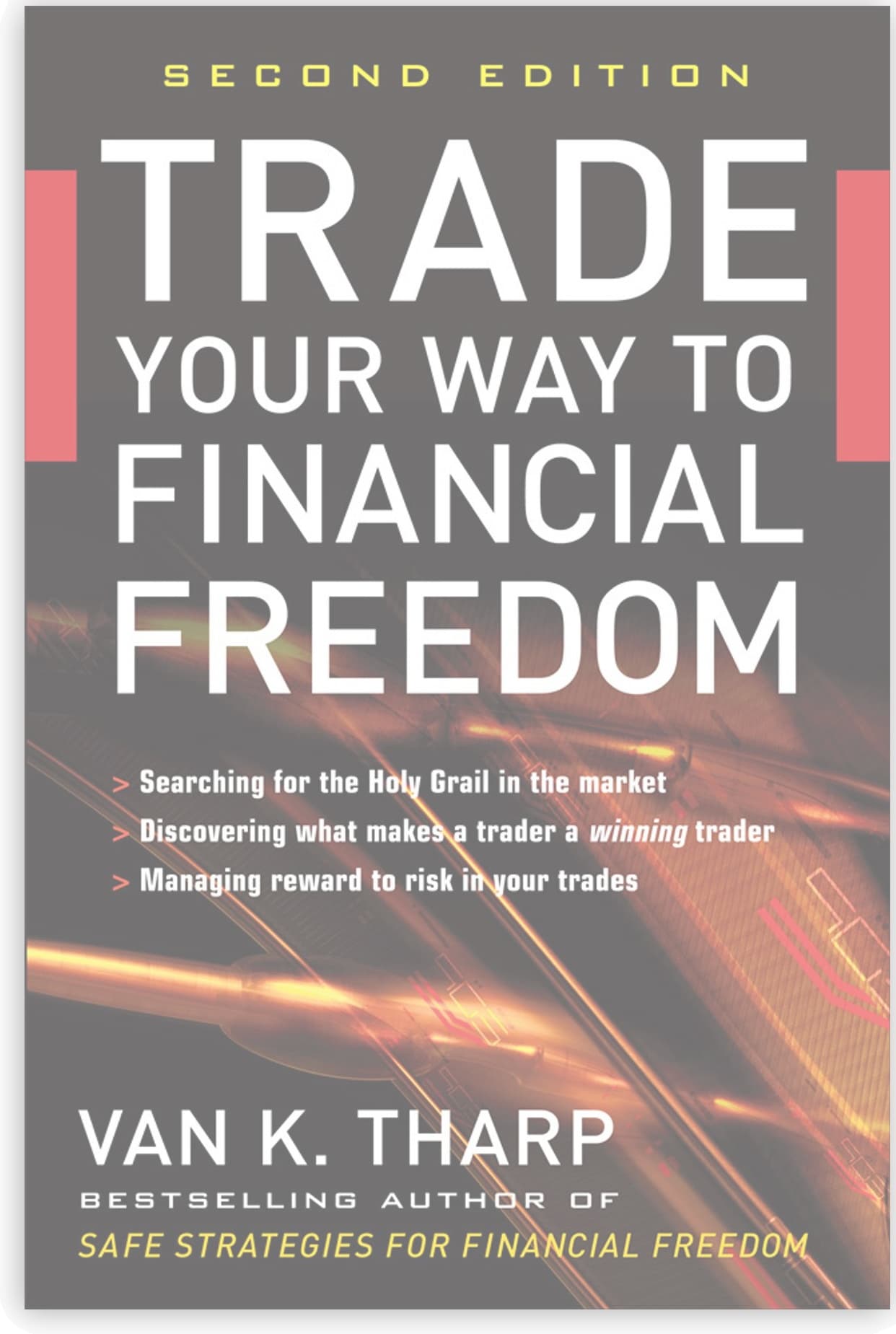
Van Tharp's work centres on the relationship between trading systems and the psychology of the person operating them. He argues that position sizing and risk management are psychological disciplines, not mathematical ones, and that most traders fail because they optimise the wrong variable.
"You don't trade the markets. You trade your beliefs about the markets."
"A trading system is only as good as your ability to follow it without interference."
"Position sizing is the part of your system that determines whether you survive long enough to win."

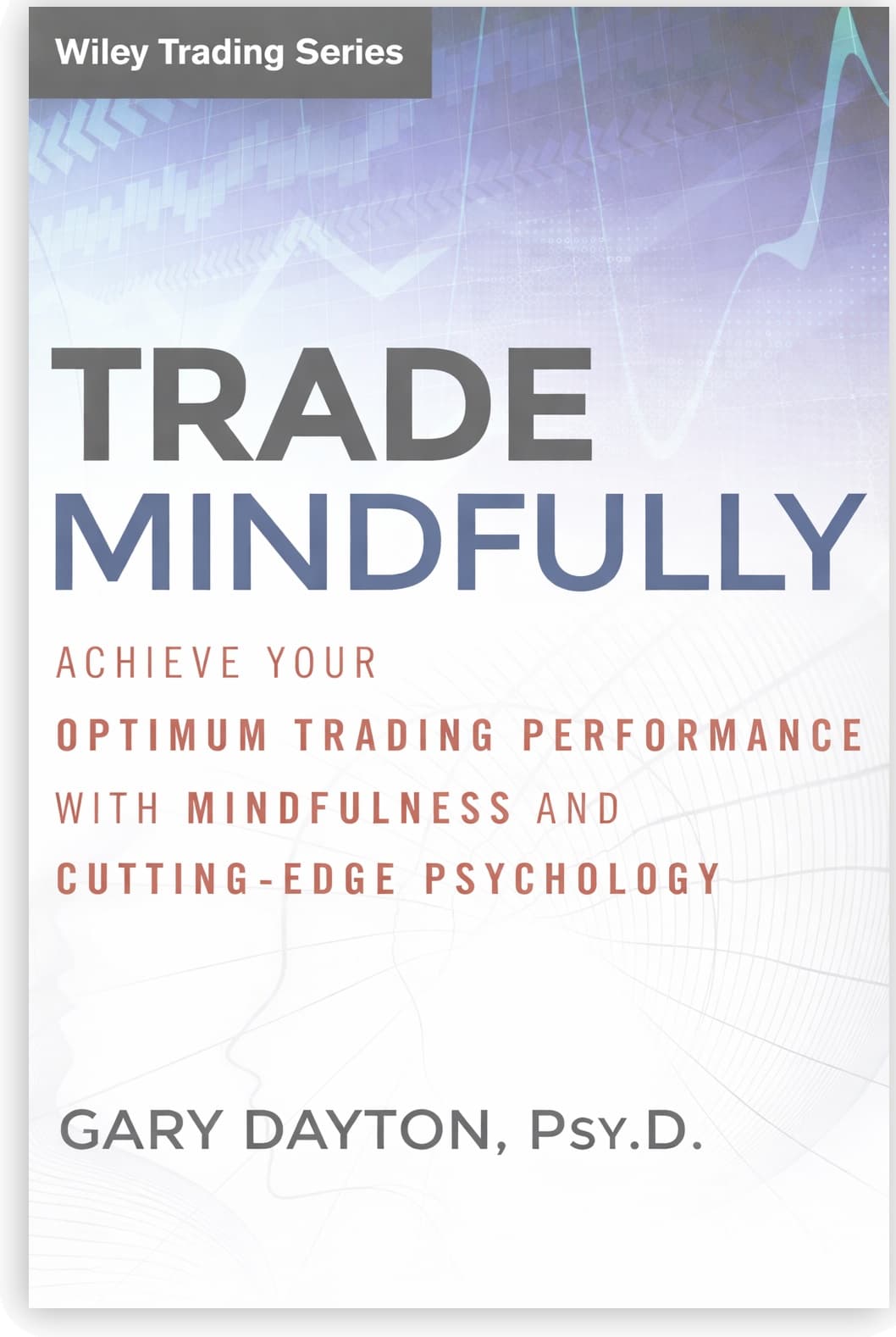
Gary Dayton's work applies mindfulness practice directly to trading execution. "Trade Mindfully" argues that the traditional advice to control or eliminate emotions is fundamentally misguided and neurologically impossible. Instead, he teaches traders to observe their internal state without reacting to it, allowing disciplined execution to coexist with fear, frustration, and urgency rather than requiring their absence.
"The goal is not to eliminate emotions but to change your relationship with them."
"Mindfulness is not about clearing your mind. It is about seeing clearly what is already there."
"The disciplined trader is not the one who feels nothing. It is the one who acts correctly despite what they feel."
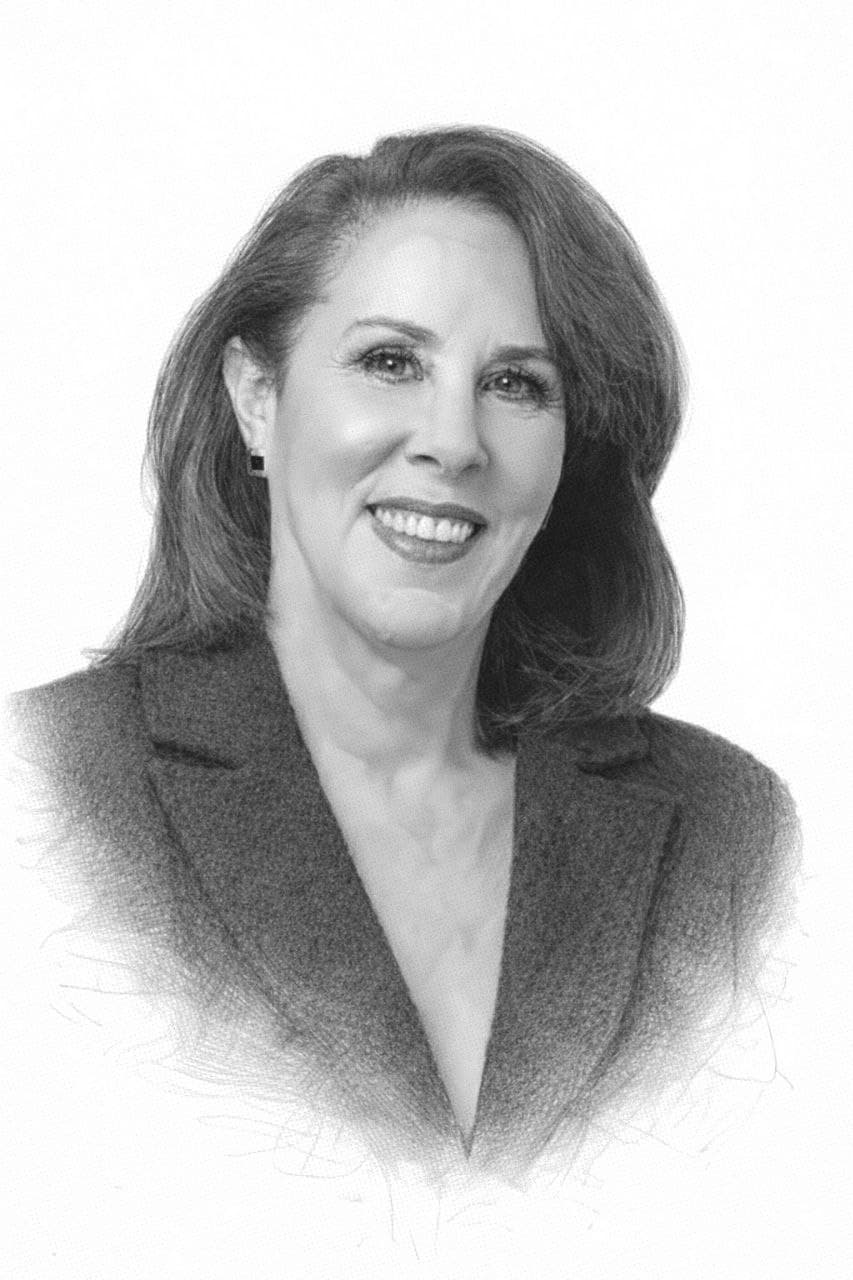
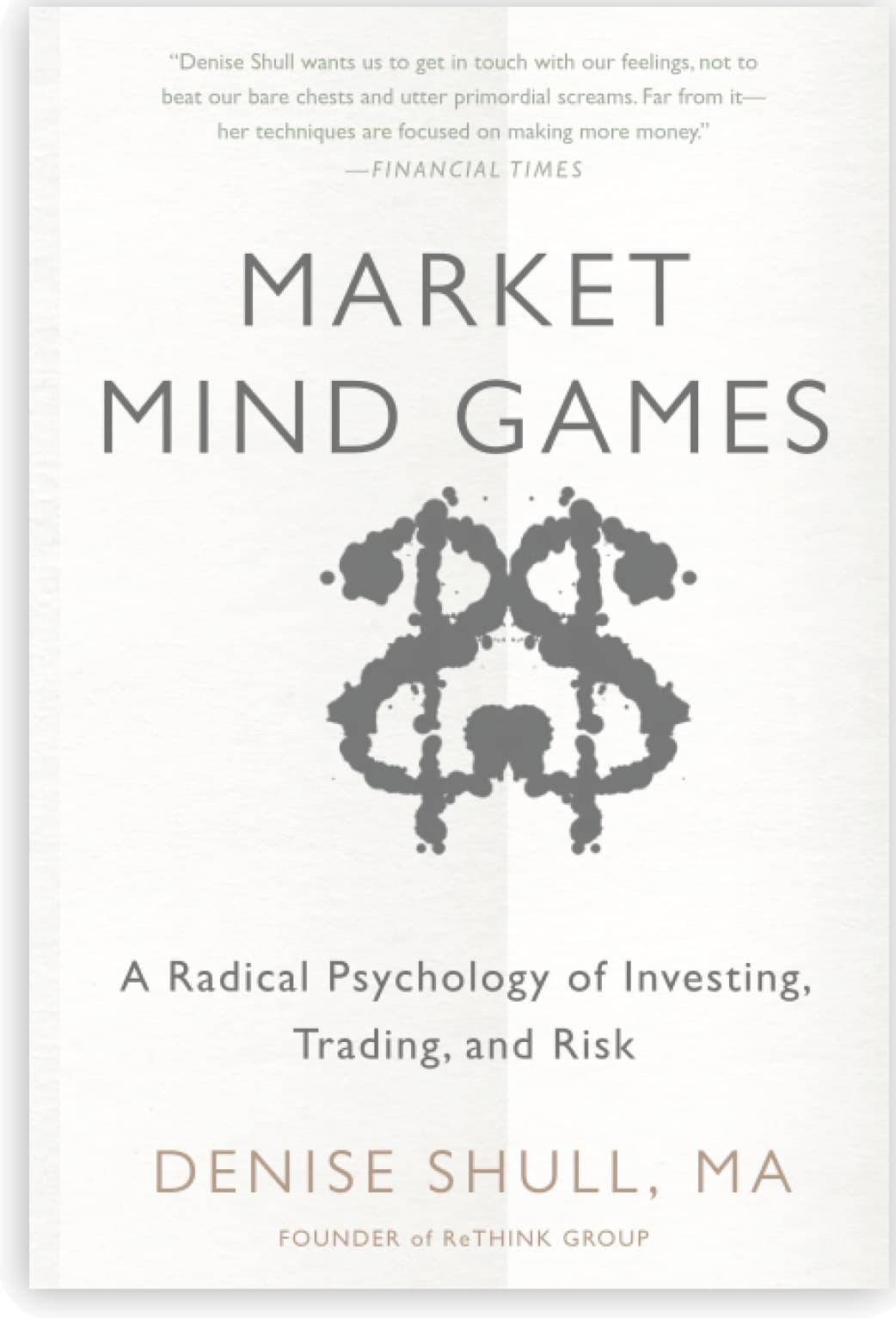
Denise Shull's work rejects the idea that emotions are obstacles to good trading. "Market Mind Games" argues that every decision requires emotion and that traders who try to suppress it are fighting their own neurology. Her approach treats feelings as data, using them to improve risk assessment and execution rather than eliminating them from the process.
"Knowing, not controlling, your emotions can be your secret weapon."
"You make the decision based on how you feel about the analysis, not the analysis itself."
"We need emotions for meaning, for vision, and for essentially everything. We cannot make decisions without them."


Ed Seykota is one of the pioneers of systematic trading and among the most successful traders in history. His philosophy blends technical trend following with deep psychological insight, arguing that a trader's results are a direct expression of their internal state and unresolved emotional patterns.
"Win or lose, everybody gets what they want out of the market."
"The elements of good trading are cutting losses, cutting losses, and cutting losses."
"Risk no more than you can afford to lose, and also risk enough so that a win is meaningful."
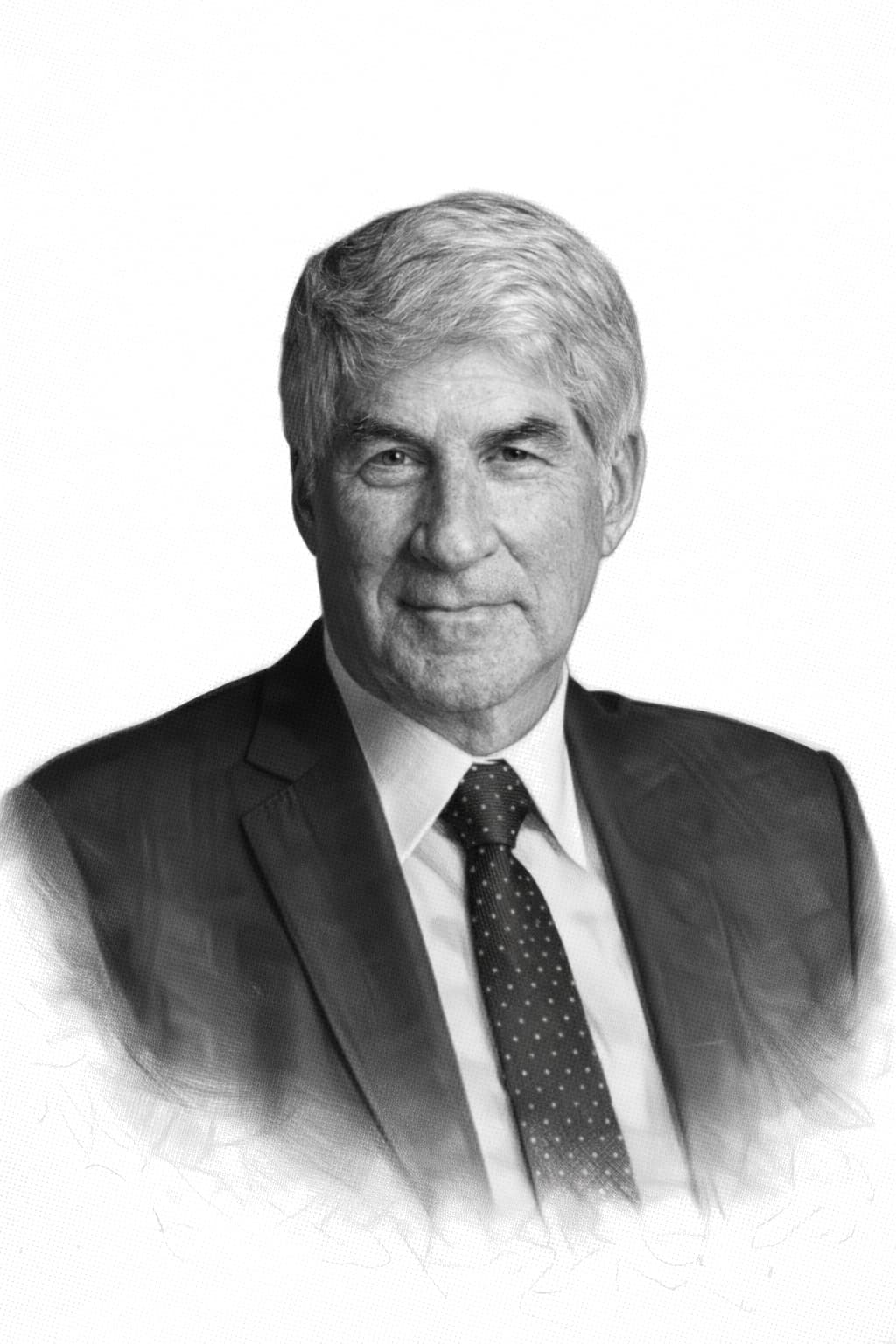
Bruce Kovner built one of the most successful macro hedge funds in history through rigorous risk management and emotional discipline. His philosophy centres on the idea that survival comes first. The traders who last are not the ones with the best predictions. They are the ones who respect what they do not know and size their positions accordingly.
"The first rule of trading is don't get caught in a situation in which you can lose a great deal of money for reasons you don't understand."
"Place your stops at a point that, if reached, will reasonably indicate that the trade is wrong."
"Undertrade. Whatever you think your position ought to be, cut it in half."